Termite Treatments in Florida
Exterminator Services for Spring Hill, New Port Richey, Port Richey, Dade City, Brooksville
Termite Treatment & Inspection in
Spring Hill, Florida
Termite Control in Spring Hill, Florida, Pest Control Xperts
In the sandy soil of Spring Hill and the surrounding Nature Coast, termites are not a matter of “if,” but “when.” At Pest Control Xperts, we provide specialized termite control and termite treatment services for homeowners and businesses in Spring Hill, New Port Richey, Port Richey, Dade City, and Brooksville. We understand that your home is likely your biggest investment, and the threat of silent structural damage is a serious concern. Our local team is dedicated to detecting these destroyers early and eliminating the colony before it compromises the integrity of your property.
We are experts in the specific behaviors of Eastern Subterranean Termites, which thrive in our humid, subtropical climate. Whether you have a slab foundation in a newer development or a crawlspace in a historic Brooksville home, we know exactly where these pests enter. We prioritize a rigorous termite inspection to uncover hidden activity, followed by targeted application and safe pest management practices to protect your structure. Our team focuses on clear communication and dependable scheduling to provide you with a lasting defense. Contact us today.
Termite Problems We Solve in Spring Hill
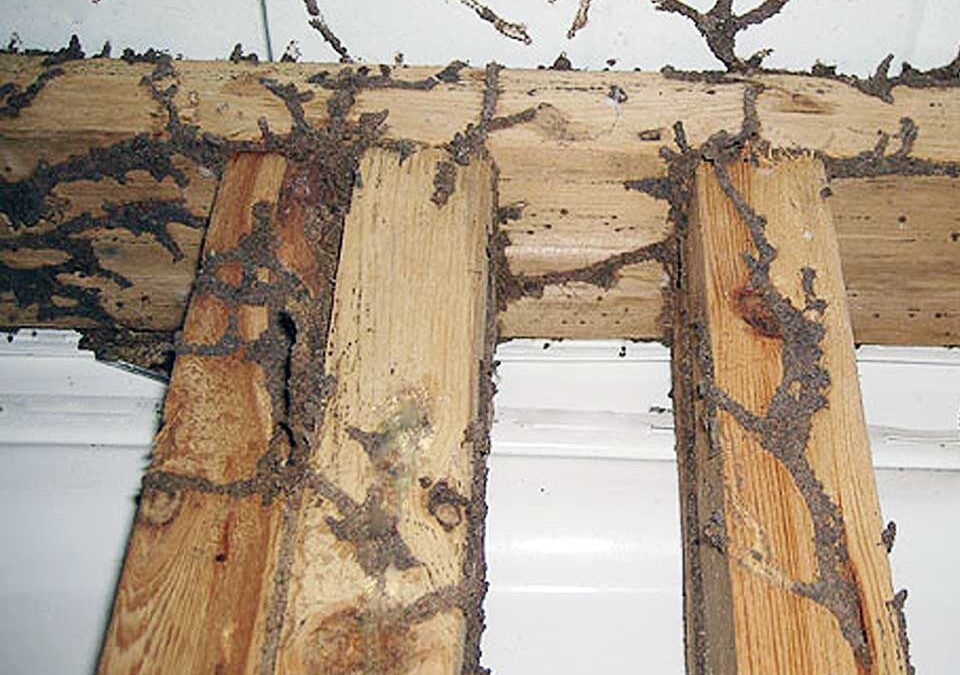
Termites cause more damage to Florida homes annually than fires, floods, and storms combined. The real danger lies in their ability to feed on wood from the inside out, often leaving the outer surface of the paint or drywall intact. In Spring Hill, Subterranean termites build mud tubes to travel from the moist soil up into your walls, where they consume structural lumber 24 hours a day. Effective infestation control requires a barrier that cuts off their access to the ground and eliminates the queen.
We handle termite issues ranging from early warning signs like swarms to advanced damage in wall studs and flooring. Our team uses pest tracking indicators to determine the extent of the colony’s reach. By focusing on infestation control at the foundation level, we stop the destruction in its tracks. We utilize integrated pest management to address the moisture conditions that make your home attractive to these pests in the first place.
Common signs of a termite issue:
- Mud tubes, about the width of a pencil, climbing up the foundation or exterior walls
- Wood that sounds hollow when tapped with a screwdriver handle
- Discarded wings found on window sills or near doorways, resembling fish scales
- Bubbling or peeling paint that looks like water damage but is dry to the touch
- Frass, or termite droppings, which look like small piles of salt or pepper (Drywood termites)
- Tight fitting doors or windows that suddenly become hard to open
- Buckling floorboards or laminate flooring
- Visible swarms of flying insects inside the home, often after a rain
Types of Termite Issues We Handle
Subterranean Termite protection
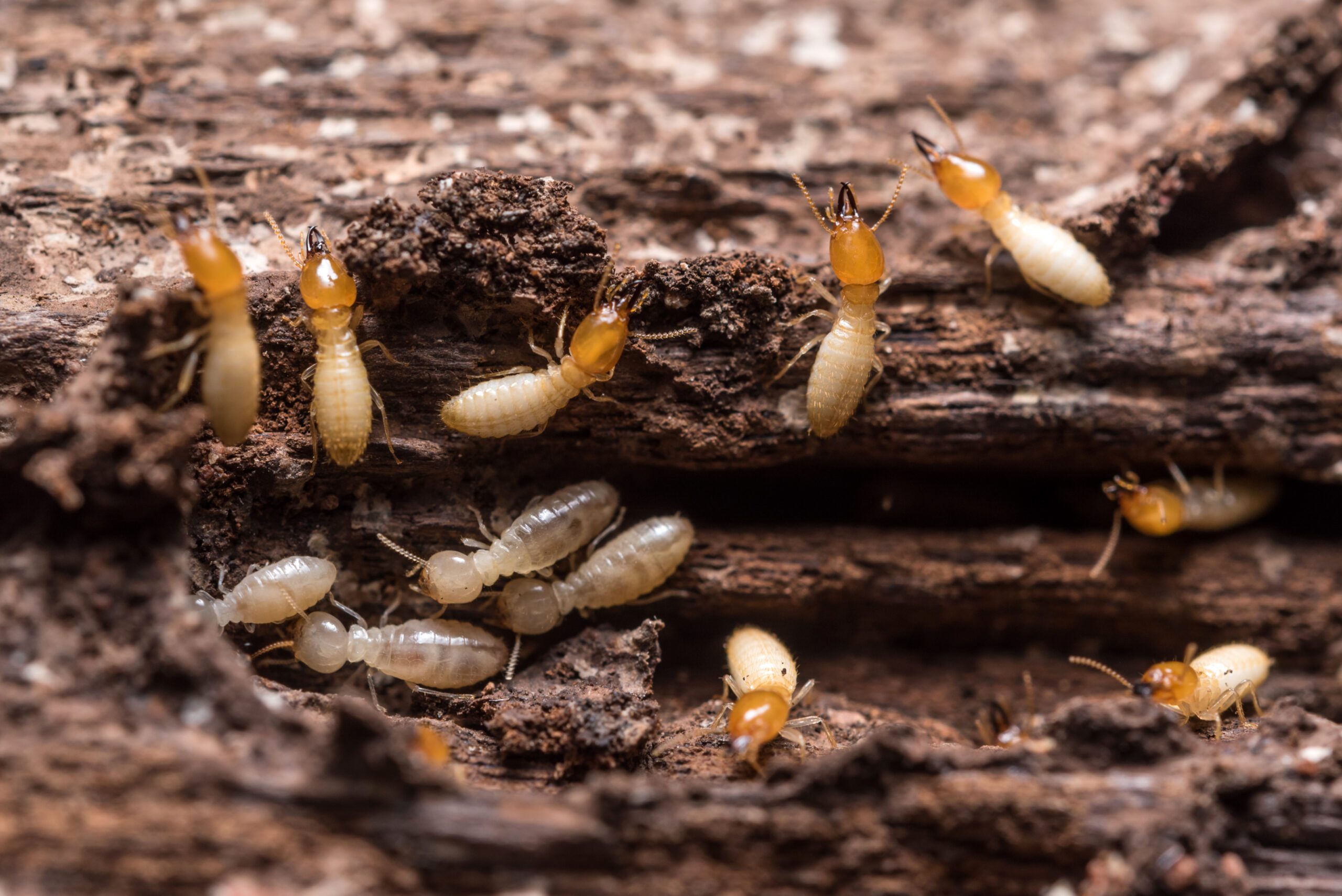
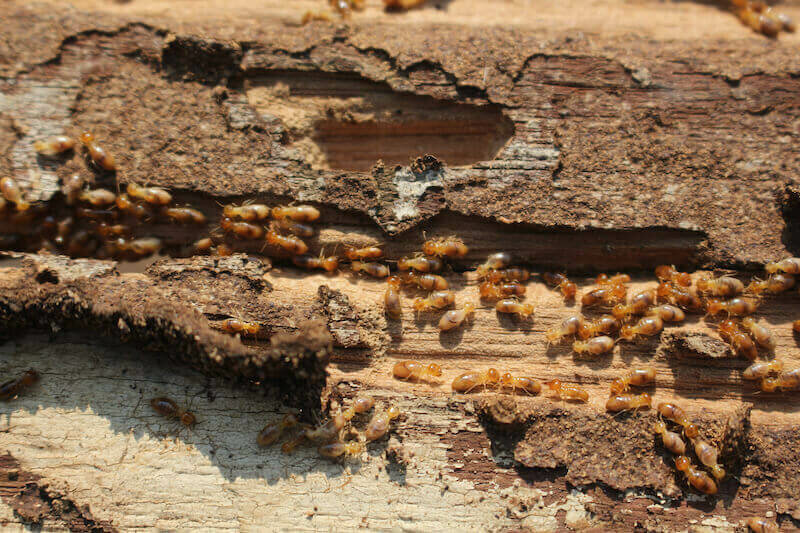
Subterranean termites are the most destructive species in our region. They live in massive underground colonies and require contact with the soil to survive. They enter homes through expansion joints in the slab, cracks in the foundation, or by building tubes over the footer. In Spring Hill, the sandy soil allows them to travel easily. Once inside, they can destroy significant amounts of wood in a short period.
What we look for during inspection:
- Mud tunnels on the stem wall or rising up into the siding
- Moisture damage around plumbing penetrations
- Evidence of activity in the soil around the perimeter
- Wood-to-ground contact, such as trellis or siding touching the dirt
- Cracks in the garage slab or patio
How we approach treatment:
We create a continuous treated zone around the perimeter of your home. This liquid barrier or baiting system is designed to be intercepted by foraging termites. They carry the product back to the colony, sharing it with the rest of the population, which leads to total colony elimination. This offers long term pest control that protects the structure from below.
Drywood Termite activity
Unlike their subterranean cousins, Drywood termites do not need contact with the soil. They fly into attics or vents and establish colonies directly inside the wood members of your home. They are common in coastal areas like Hudson and Port Richey. While their colonies are smaller, they can cause significant localized damage to furniture, antiques, and roof trusses.
What we look for during inspection:
- Piles of fecal pellets (frass) that match the color of the wood they are eating
- Kick-out holes in exposed wood beams or furniture
- Activity in attic eaves and fascia boards
- Swarms occurring directly from the attic
How we approach treatment:
For Drywood termites, treatment depends on the severity. We may recommend targeted “spot treatments” for isolated infestations, injecting products directly into the galleries. For widespread issues, we will discuss comprehensive options. We focus on identifying every active area to ensure the wood is protected.
Termite Swarms and identification
A termite swarm is often the only time homeowners see the actual insects. This usually happens in the spring when the colony sends out reproductive alates to start new nests. Seeing a swarm inside your home is a major red flag that an infestation is already established. Many people mistake them for flying ants. [Image of subterranean termite swarmer vs ant] We provide expert identification to distinguish between a nuisance ant problem and a structural termite threat.
What we look for during inspection:
- Bodies of swarmers that are uniform in width (no pinched waist)
- Wings that are equal in length (ants have uneven wings)
- Straight antennae (ants have elbowed antennae)
- The location of the swarm (indoors vs. outdoors)
How we approach treatment:
If we confirm a termite swarm, we move quickly to perform a full structural inspection. We do not just treat the flying insects; we treat the source colony in the ground or wood to prevent further damage.
Our Termite Inspection and Treatment Approach
At Pest Control Xperts, we believe that a proper termite inspection is the most critical step in protecting your home. Our pest assessment services involve a meticulous examination of the interior and exterior. We “sound” the baseboards and window casings, check the attic for signs of Drywood activity, and inspect the foundation perimeter for mud tubes. We use moisture meters to find hidden areas of dampness that might be harboring termites behind the walls.
Once we understand the type of termite and the construction of your home, we recommend a treatment plan. For Subterranean termites, we typically utilize a liquid defense system or advanced bait stations. These methods rely on the social behavior of termites to spread the treatment throughout the colony. Our safe pest management protocols ensure that products are applied strictly according to label guidelines, focusing on the soil and structural wood.
We also focus on long term pest control through prevention. We will point out conducive conditions, such as mulch piled too high or water draining toward the foundation, and help you correct them. We utilize pest detection systems to monitor the property after treatment, ensuring that the protective barrier remains intact. This proactive property pest management gives you confidence that your home is secure.
Termite Prevention and Pest Proofing Tips for Spring Hill Homes
Prevention is your first line of defense against termites. In Florida, moisture control is synonymous with termite control. By keeping your home dry and reducing wood-to-ground contact, you make your property less attractive to foraging colonies. We recommend a focus on moisture management and exterior maintenance as primary pest deterrent strategies.
Preventative steps that actually help:
- Divert water away from the foundation with properly functioning gutters and downspouts
- Keep mulch at least 15 inches away from the foundation; use gravel or rock instead
- Ensure sprinkler heads are not spraying directly onto the house
- Fix leaky outdoor spigots and A/C drip lines immediately
- Remove tree stumps, roots, and dead wood from the yard
- Store firewood off the ground and away from the house
- Ensure siding and stucco stop at least six inches above the soil line
- Seal cracks in the foundation and utility entry points
- Ventilate crawlspaces and attics to reduce humidity
- Inspect the foundation perimeter monthly for mud tubes
Implementing these property pest management steps creates a hostile environment for termites. Combined with our professional termite treatment, these actions provide a robust defense for your home.
Residential and Commercial Termite Control
We serve both residential and commercial clients across Spring Hill and the surrounding areas. Our residential pest control services are designed to protect the structural integrity of your home. We treat every property with care, understanding that discovering termites is stressful. We work with homeowners to explain the process and provide a clear path to elimination.
For our business clients, we offer commercial pest services that protect your physical assets. Termite damage can be a significant liability for commercial buildings, warehouses, and retail spaces. We offer discreet inspections and treatments that minimize disruption to your business. Our professional pest control technicians provide the documentation you need for property management and real estate transactions. We help you maintain a safe, structurally sound facility.
Professional Termite Treatment vs DIY Methods
Termite control is one area where DIY methods are strongly discouraged. Store-bought sprays and “termite killers” only kill the insects they contact directly. They do not reach the colony deep underground or inside the wood. In fact, spraying a mud tube often causes the termites to abandon that path and build a new, hidden tunnel elsewhere, allowing the damage to continue unnoticed. Professional termite treatment requires specialized equipment to inject products into the soil and foundation.
Our expert pest technicians have access to non-repellent termiticides that are undetectable to the insects. Termites pass through the treated zone and unknowingly carry the product back to the nest. This “transfer effect” is the only way to achieve total colony elimination. DIY products are typically repellents, which only push the termites away from the treated spot to another part of your home.
Furthermore, we utilize exclusion techniques for pests and identify structural flaws that you might miss. We understand the construction of Florida homes, from monolithic slabs to floating slabs, and knowing how to treat each type is crucial. By choosing a professional, you are investing in a comprehensive solution that protects the entire structure.
Frequently Asked Questions About Termite Control
Do you provide termite control in Spring Hill and nearby areas?
Yes, we serve Spring Hill, New Port Richey, Port Richey, Dade City, and Brooksville. We are a local team familiar with the intense termite pressure in our sandy soils and provide targeted protection for local homes.
How do I know if I have termites or ants?
Termites have straight antennae, a thick waist, and equal-length wings. Ants have elbowed antennae, a pinched waist, and unequal wings. If you are unsure, save a sample and contact us for a professional identification.
How long does a termite treatment last?
Modern liquid treatments can provide protection for several years, depending on the product and soil conditions. Baiting systems are monitored regularly to ensuring continuous protection. We recommend annual inspections to ensure the barrier remains effective.
Does homeowner’s insurance cover termite damage?
Typically, no. Most insurance policies consider termite damage to be a preventable maintenance issue. This is why professional inspection and treatment are so important to protect your financial investment.
Do I need to leave my home during treatment?
For most subterranean termite treatments (liquid or bait), you do not need to leave your home. The application is done primarily to the exterior soil and foundation. If interior drilling or spot treatment is needed, we will provide specific safety instructions.
What is a mud tube?
A mud tube is a tunnel made of soil, wood particles, and saliva. Subterranean termites build them to travel across exposed surfaces (like your foundation) while staying protected from the drying air and predators. Seeing one is a confirmed sign of activity.
Do you offer green pest control options for termites?
We utilize baiting systems, which are a very low-impact, environmentally friendly option. The active ingredient is contained within the station and is only consumed by the termites, minimizing chemical presence in the soil.
Is there a reliable local termite exterminator near me?
Yes, Pest Control Xperts is your local specialist for Spring Hill and the surrounding counties. We are dedicated to providing fast and effective termite control solutions to secure your home against damage.
Service Area for Termite Treatment in and Around Spring Hill, Florida
We are proud to serve the communities of Florida’s West Coast. From the busy suburban streets of Spring Hill to the rural properties in Brooksville, we are in your neighborhood. Our technicians understand the specific challenges of local housing, from wood-frame historic homes to concrete block construction. We provide consistent and reliable coverage for Pasco and Hernando counties.
We serve the following towns and neighborhoods:
- Spring Hill
- New Port Richey
- Port Richey
- Dade City
- Brooksville
- Hudson
- Land O’ Lakes
- Trinity
- Holiday
- Zephyrhills
Local service means we can respond faster to your needs. We are familiar with the seasonal swarming patterns and are committed to protecting our neighbors. When you call us, you are speaking to a team that lives and works in your community. We are ready to help you protect your investment.
Zip codes we serve: 34606, 34607, 34608, 34609, 34610, 34668, 34652, 34653, 33525, 34601